All Categories
Featured
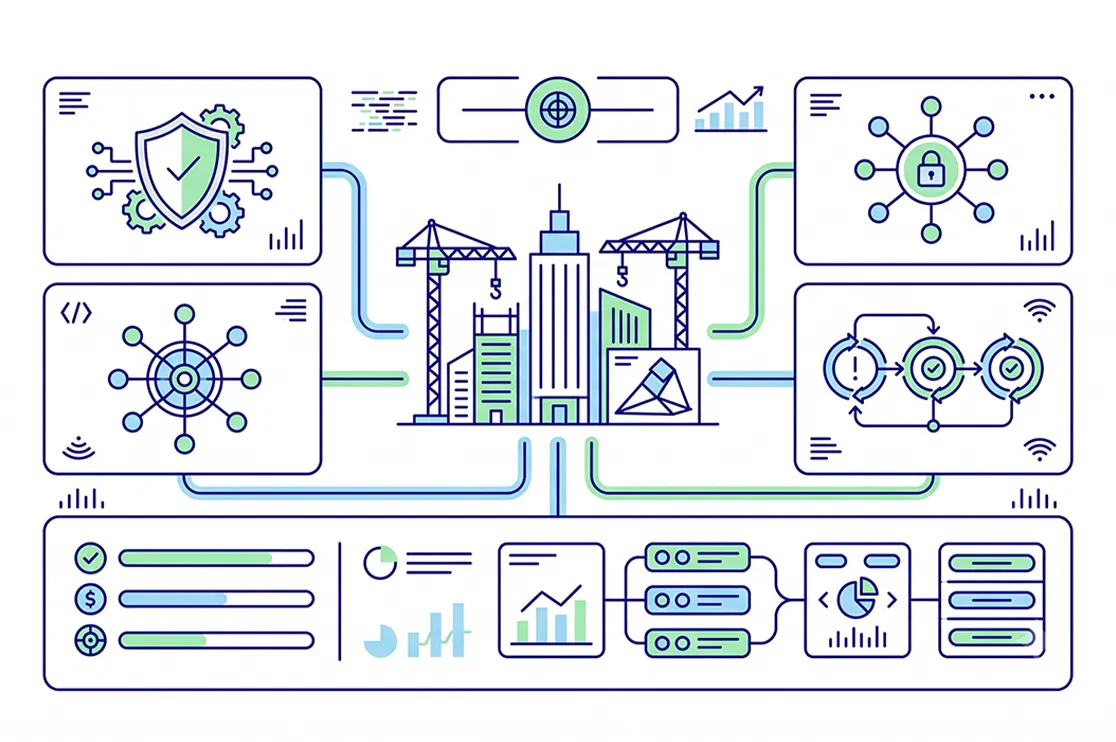

Key Methods for Smarter IT Asset Optimization
Table of Contents
By tracking cloud resources and their associated costs, business can make educated choices that line up with their financial and strategic objectives. In essence, cloud asset management isn't just a side componentit's a foundation of digital improvement techniques. It makes sure that organizations can scale efficiently, control expenses, and keep the agility required to adjust to ever-changing market needs.
Managing cloud properties is vital for organizations due to: Avoiding over-provisioning and eliminating unused cloud resources. Gaining insights into cloud use and preventing shadow IT.

By leveraging these combination choices, businesses can make it possible for single sign-on (SSO) for cloud-hosted workloads. This streamlines authentication, letting users access resources with their familiar credentials while keeping central identity management. The secret is to configure IAM controls so that functions and consents mirror just what each user needsadhering closely to the principle of least advantage.
To secure delicate info in the cloud, companies must carry out robust encryption both in transit and at rest. Think about these tested approaches: Usage industry-standard protocols such as TLS (Transportation Layer Security) to encrypt information as it moves between gadgets and cloud services. Safe and secure information at rest using algorithms like AES-256, guaranteeing files remain safeguarded even if storage resources are compromised.
Proactive Budget Planning for Modern Cloud Systems
By applying these methods, companies can significantly enhance their data security posture in any cloud environment. To strengthen cloud perimeter security beyond fundamental measures, companies can employ a range of specialized tools.
These tools offer deep packet assessment, evaluate network traffic for signs of destructive activity, and can immediately react to block or inform on dangers as they emerge. For even higher exposure, consider solutions that provide real-time traffic analysis and habits monitoring. This proactive approach helps identify anomalies and prospective breaches early, strengthening your protective boundary.
A critical piece in the cloud security puzzle is the shared duty design. This structure clearly delineates where the cloud supplier's security tasks end and where yours beginthough the boundaries shift depending upon your picked cloud service design: Facilities as a Service (IaaS), Platform as a Service (PaaS), or Software Application as a Service (SaaS).
Optimizing Resource Allocation to Curb Unnecessary IT Costs
You, the customer, are accountable for protecting everything you develop atop that facilities. This spans from installing OS spots and handling network security controls to setting up firewalls and protecting your virtual makers with malware protection.: With PaaS, the service provider extends their protective reach to consist of the platform itselfthink managed operating systems and middleware.
You'll require to enforce strong gain access to controls, safe sensitive information, and monitor your hosted applications.: SaaS environments unload the bulk of security management to the provider. They're tasked with safeguarding the application stack, underlying operating systems, and network settings. Your primary focus shifts to securing user access, managing use policies, and securing your organization's information within the application.
Leverage both integrated and third-party security tools to strengthen the locations under your control. Keep access policies, keeping track of practices, and data protection procedures up to date, no matter your cloud usage model. Cloud security isn't one-size-fits-all, however with a clear grasp of your role in this partnership, you set the phase for a safer, more resilient environment in the cloud.
Instead of handling a patchwork of diverse toolseach with its own control panel and finding out curvesecurity groups gain one comprehensive view into endpoints, work, identities, and information security. This debt consolidation reduces intricacy, making it simpler to track potential threats as they unfold, without the requirement to hop in between different user interfaces to get the complete image.
Key Strategies for Better IT Resource Allocation
By managing protections, monitoring, and policy deployment from a central console, groups are empowered to carry out consistent security steps throughout accounts, regions, and jobs in one go. This technique lessens the overhead of handling numerous licenses, minimizes administrative burden, and guarantees policies are implemented uniformly. Eventually, combining security controls boosts exposure, performance, and agilitycore ingredients for equaling developing cloud demands.
How to Optimize IT Spending for 2026 BudgetsRather than leaving groups to rush in the midst of chaos, these strategies use a clear strategy should an incident take place. With predefined responsibilities and structured workflows, everyone understands their rolethink of it as designating seats on a lifeboat before the storm strikes. Having this structure in location yields a number of crucial benefits: Immediate and collaborated action assists include threats before they mushroom.

Latest Posts
Analyzing Decentralized Cloud Infrastructure Models for 2026

Analyzing Decentralized Cloud Governance Strategies for 2026

Advantages of Centralized Resource Governance